MagnaFit Slim
All about our revolutionary technology
Features
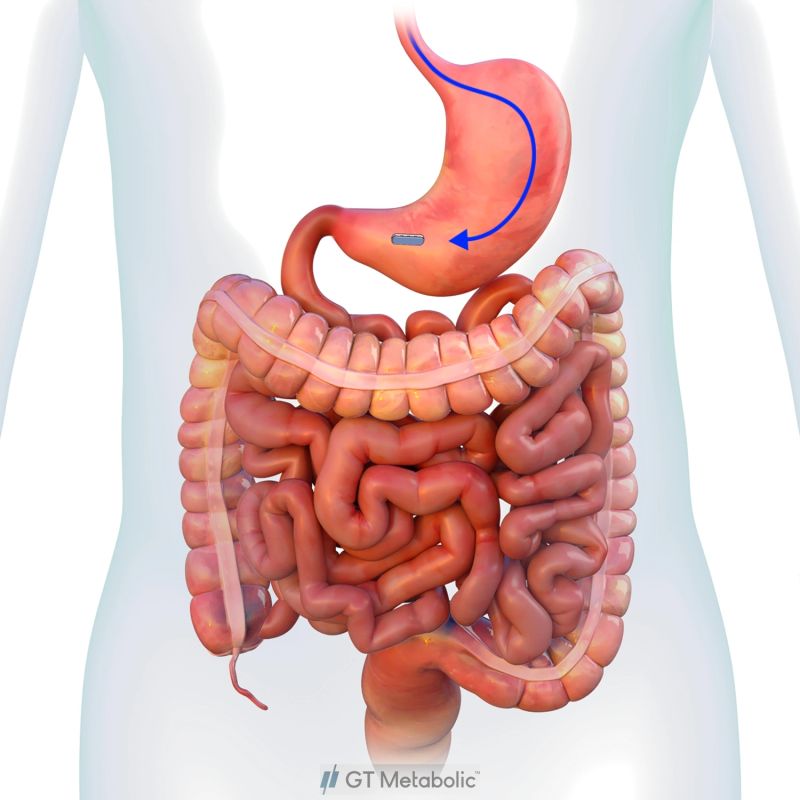
Step 1
The patient swallows the first magnet in the outpatient
department. The magnet travels into the stomach and
the duodenum and reaches the ligament of Treitz in
about two hours.
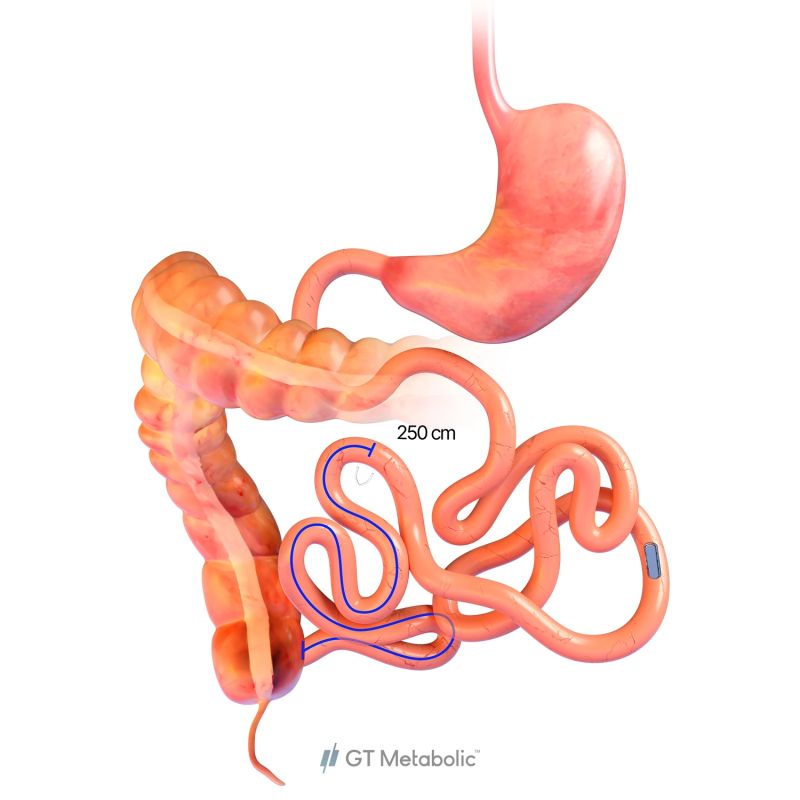
Step 2
Once the patient is under anesthesia in the OR, a
marker is placed in the ileum 250cm from cecum
laparoscopically.
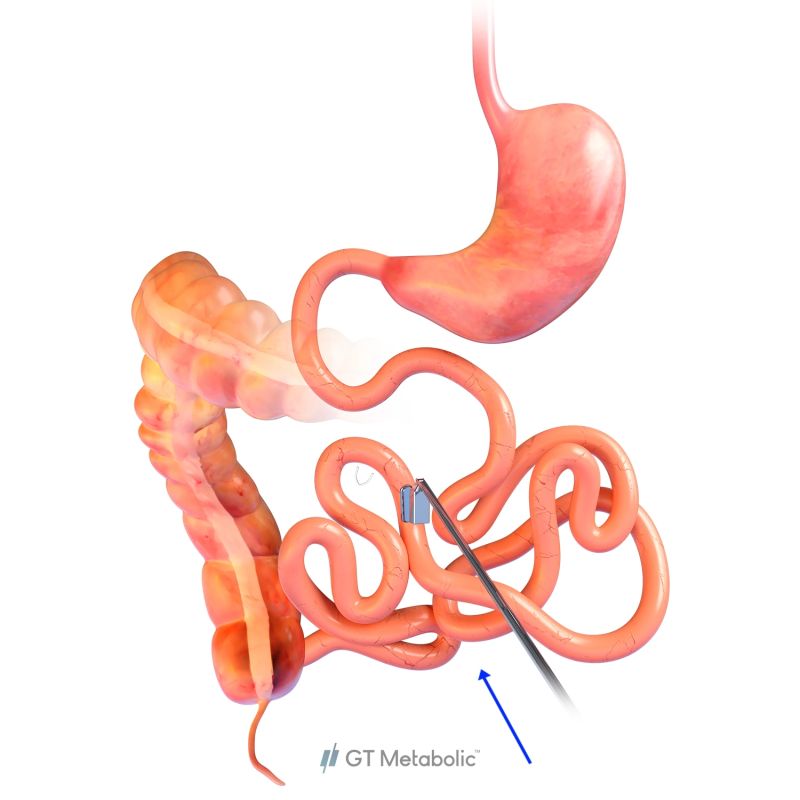
Step 3
The laparoscopic positioning device (LPD) is used to
capture the magnet and direct it distally through the
jejunal lumen to the marked position in the ileum, 250
cm from the ileocecal valve.
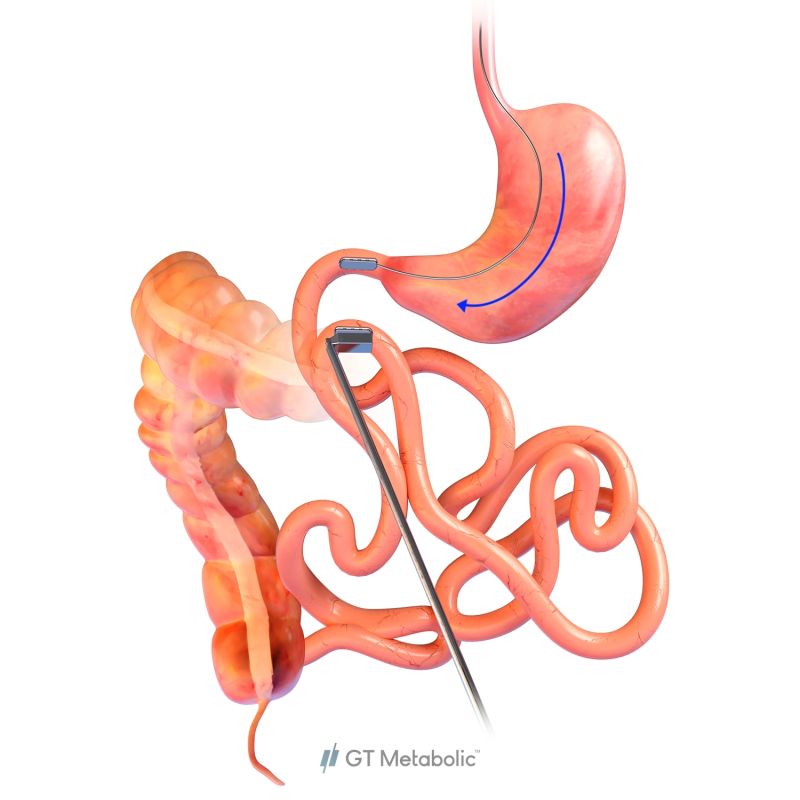
Step 4
At the same time, the second magnet is transported
orogastrically by a flexible endoscopic catheter into the
antrum and then is brought into the duodenum ~2cm
after the pylorus. This is the intended magnet fusion
site.
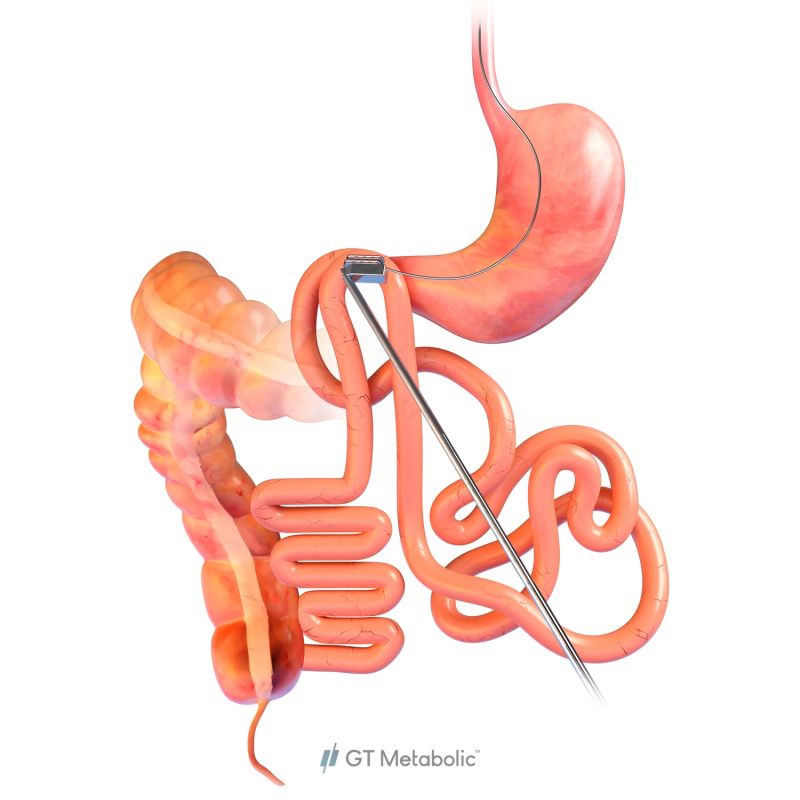
Step 5
The distal magnet in the ileum is elevated antecolic
and brought together with the second magnet in the
post-pyloric duodenum.
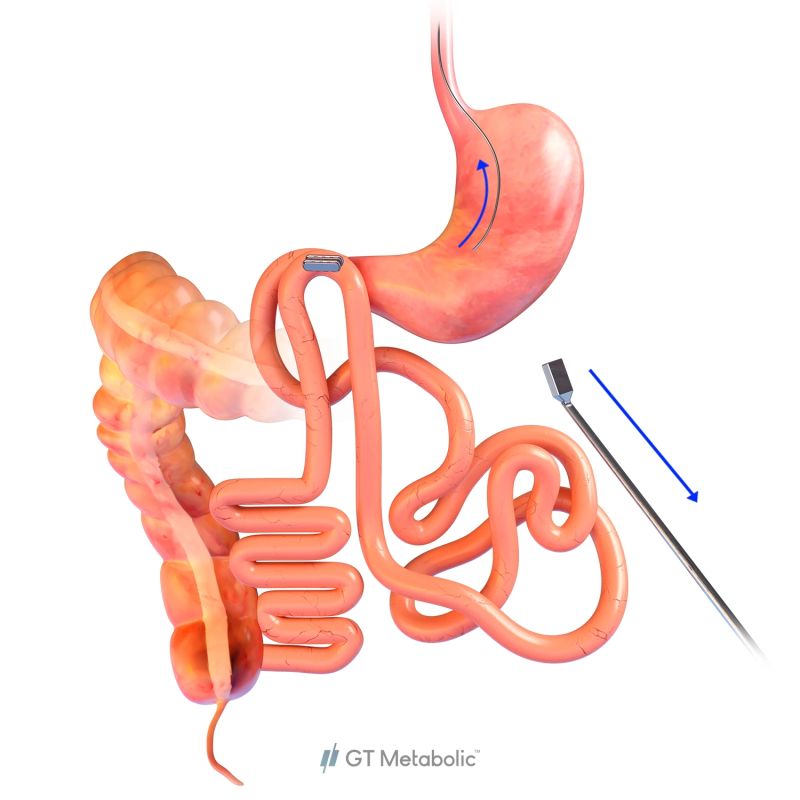
Step 6
The second (proximal) magnet is released to self-align
with the first (distal) magnet through the intestinal
walls. The endoscope and LPD are withdrawn.
Peterson’ s defect is closed.
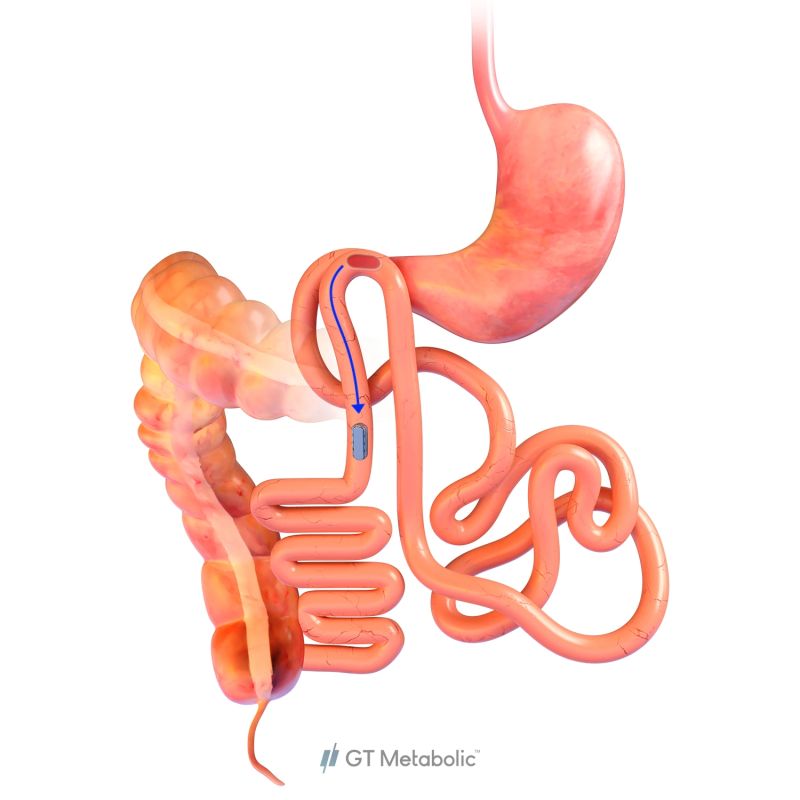
Step 7
In several days, the two magnets are fully fused after
compressing and sloughing the tissue between them.
The magnets detach several weeks later from the
duodeno-ileal site and are expressed naturally.
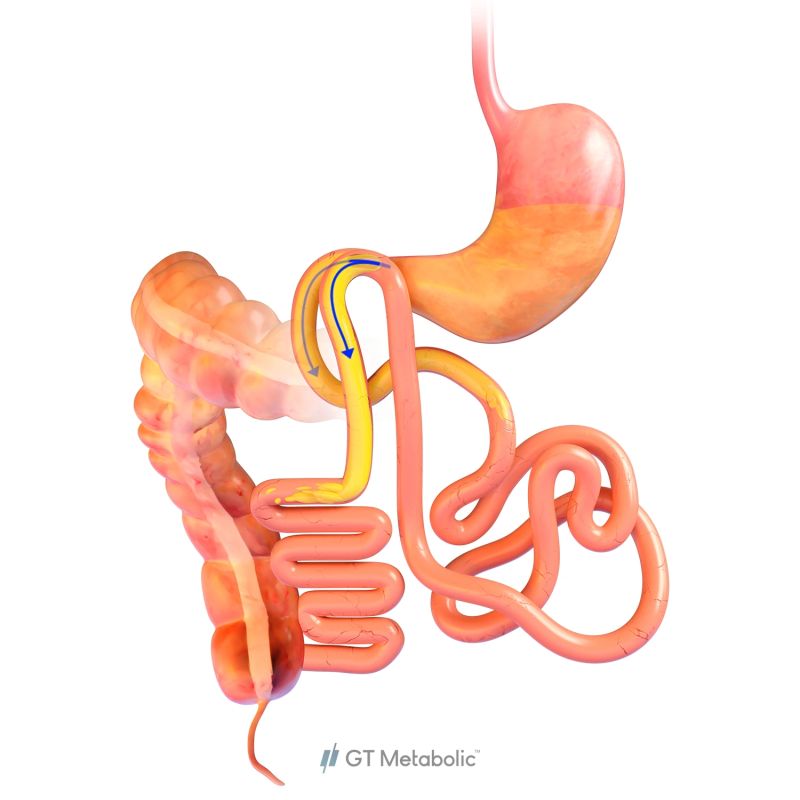
Step 8
Food flows through the duodenal lumen, and also through the patent anastomosis into the ileal lumen. The anastomosis is extremely durable after 3-4 weeks.
MagnaFit Slim System
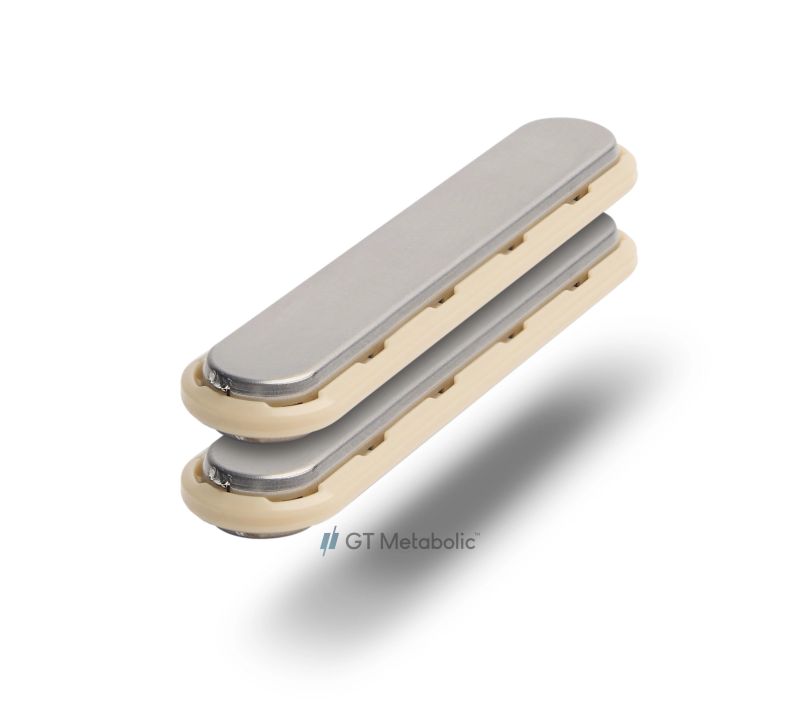
- The 40mm1 or 50mm1 Parylene-C coated
neodymium magnet is encased in a titanium shell with a PGLA bio-fragmentable flange. - A delivery system connect/release
mechanism is located at one end of the magnet. - The device is intended for use for side-to-side duodeno-ileal anastomosis in minimally invasive
and laparoscopic surgery.1 - Sterile; disposable.
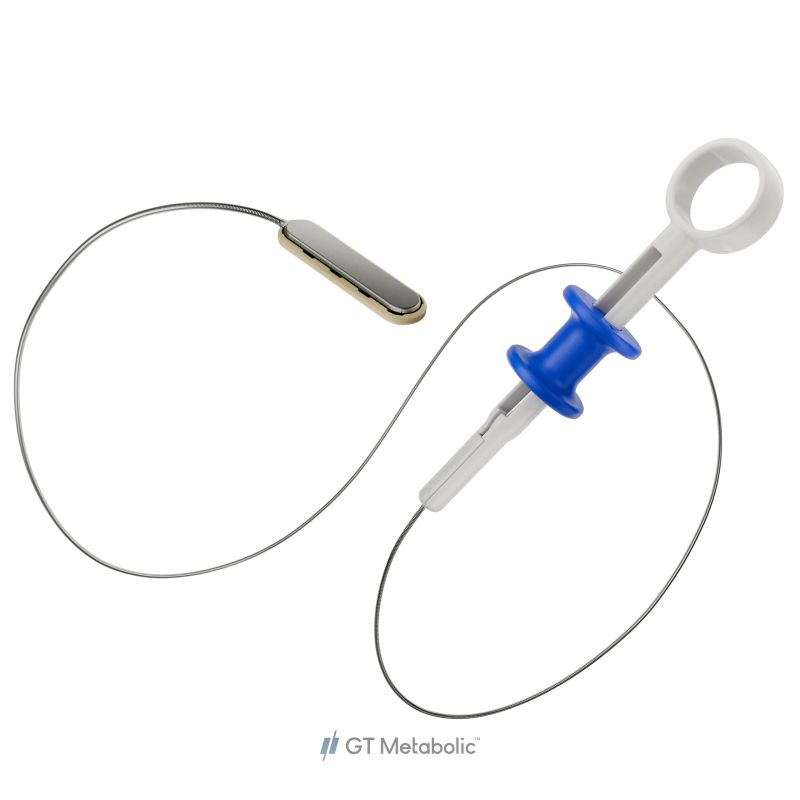
- The delivery system is a disposable, flexible orogastric delivery catheter 198cm in length that attaches to the linear MagDITM magnet for placement and positioning.
- The proximal end of the catheter consists of a ring handle pull trigger for easy deployment of the magnet.
- The delivery system catheter must be paired with a flexible endoscope with a working channel of at least 2.8mm or greater.
- Sterile; disposable.
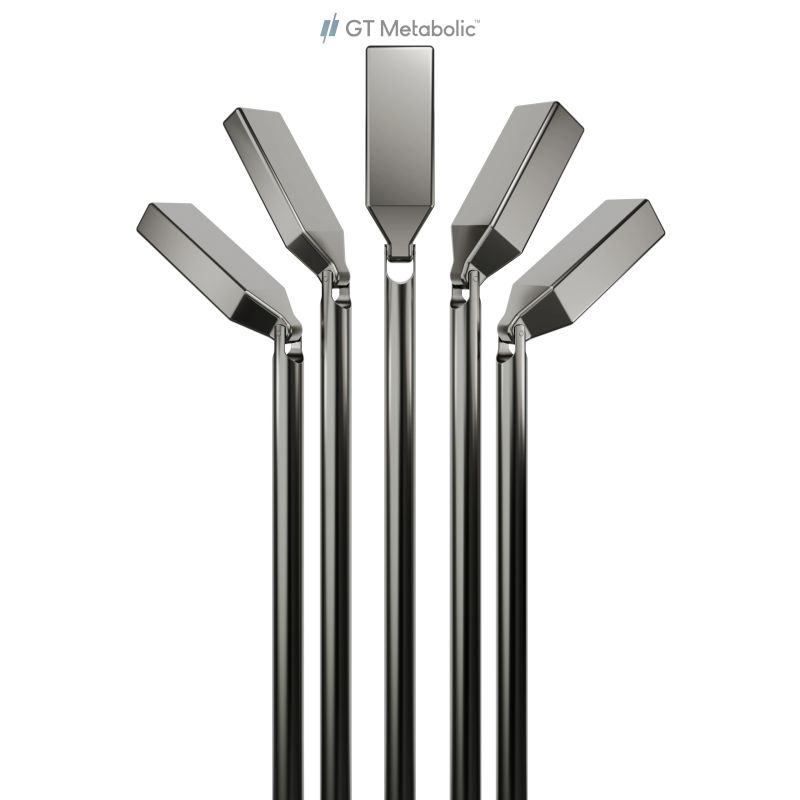
- The 41cm-long reusable laparoscopic
positioning device (LPD) is
compatible with a 12mm trocar. - The instrument is comprised of a Paralene-C coated neodymium magnet encased in a titanium housing, non-magnetic shaft and positioning handle detailing the strength of the instrument.
- Offered in five magnetic strengths, the LPD provides surgeon with options depending on patient’s bowel morphology. (A higher number indicates greater magnetic strength.)
- The LPD is used to position the linear magnetic technology (LMT) at the desired anastomotic site.
- Reusable; requires sterilization.
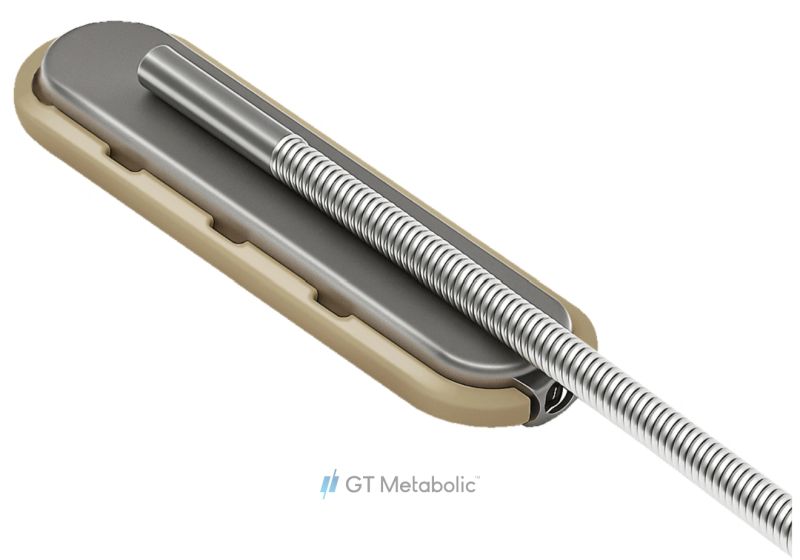
- The magnetic retrieval
device (MRD) is a 200cm-long, flexible orogastric
catheter with a magnetic tip - The MRD enables retrieval
of a magnet
if removal is required
after release from the
delivery system during the procedure. - The MRD catheter must
be paired with a flexible
endoscope with a working
channel of at least 2.8mm
or greater. - Sterile; disposable.
What can you expect post-surgery

Most patients on average lose 70 percent of their excess weight.

Many see major improvements or full resolution of conditions like type 2 diabetes, high blood pressure, sleep apnea, and joint pain.

Studies show that these results last for years with proper follow-up and lifestyle support.

A powerful option for people with a BMI of 35 or higher, or for anyone who has struggled to get results with other methods.